


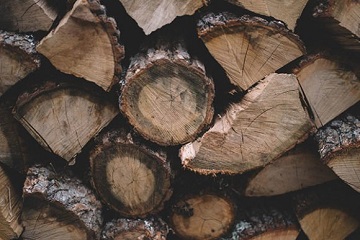
The Comprehensive Art of Wood Seasoning: Preparing Timber for Use
Wood seasoning may appear as an archaic craft in today's world of prefabricated materials and quick fixes. However, for those who value durability, natural beauty, and self-reliance, the skill of proper wood seasoning is invaluable. This process not only enhances the wood's longevity but also accentuates its aesthetics and ensures safety in use. Here is a guide that will step by step lead you through the seasoning process, ensuring that your wooden project will withstand the test of time.
Choosing the Right Timber:
- Start with selecting wood; prefer local species that are naturally resistant to weather conditions and pests.
- Consider the density of the wood – harder woods will be more durable but will require a longer seasoning period.
Timing the Cut:
- The best time for cutting wood is late winter or early spring when the trees have the least sap.
- Avoid cutting wood during times when it is full of sap as this can lead to cracking and warping during drying.
Preparing the Wood:
- Trim any branches and clean the wood of bark if possible to accelerate drying.
- Wood should be cut to the expected sizes before seasoning, as too large pieces will dry unevenly.
Stacking the Wood:
- Stack the wood in a place that is dry and well-ventilated.
- Wood should be laid horizontally and supported in such a way as to allow airflow between the pieces.
- Avoid direct contact of the wood with the ground to prevent rotting.
Protecting from Weather Conditions:
- Although wood should be exposed to light, too much exposure to the sun can lead to cracks.
- Place the wood under shelter or cover with a waterproof tarp, leaving the sides open for air circulation.
Patience in Seasoning:
- The seasoning process can take from several months to several years, depending on the species of wood and local conditions.
- Regularly check the wood's moisture content using a moisture meter – the optimal moisture content for most uses is between 15% to 20%.
Protection from Pests:
- Regularly inspect the wood for the presence of insects and fungi.
- Use natural wood protection agents like linseed or citrus oil for added protection and preservation.
Concluding the Seasoning Process:
- Once the desired moisture level is achieved, the wood is ready for use.
- The final step is to trim the ends evenly to remove any unevenness or checks that may have occurred during seasoning.
With these steps, seasoned wood can provide a robust and beautiful material for a multitude of projects, combining the charm of traditional craftsmanship with the satisfaction of DIY endeavors.