


What's the Use of a Gasoline Chainsaw?
In the world of gardening and forestry tools, the gas chainsaw occupies one of the leading positions, thanks to its versatility and power. Used both by professionals and hobbyists, it can significantly simplify work in the field. Let's take a closer look at how this tool works, what it is useful for, and its main advantages and disadvantages.
How does a gasoline chainsaw work? A gas chainsaw operates on the principle of an internal combustion engine that drives a chain rotating at high speed around a guide bar. This engine is powered by a mixture of oil and gasoline. When we start the chainsaw, fuel and oil are burned, generating energy that drives the chain. This chain consists of sharp teeth, effectively cutting through wood.
What is a gas chainsaw useful for?
-
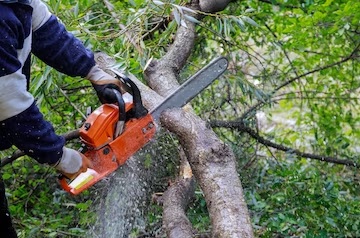
Tree felling - This is the primary application of a gas chainsaw. With it, we can quickly and effectively cut down trees, both small and large.
-
Trimming branches - It allows for the removal of dead branches or pruning trees to give them the desired shape.
-
Preparing firewood - For many, a gas chainsaw is an essential tool for preparing wood for the winter.
-
Construction and carpentry - In certain situations, the chainsaw can be used to cut thick wooden beams.
-
Forestry work - Professional foresters use gas chainsaws for various tasks in the forest, from renewing stands to removing trees damaged by storms.
Advantages of gas chainsaws:
-
Power - They are considerably more powerful than their electric counterparts, allowing for the cutting of thicker branches and trunks.
-
Mobility - Due to the lack of the need to connect to the electrical grid, they can be used anywhere.
-
Versatility - They are suitable for a variety of tasks, from minor to more demanding ones.
Disadvantages of gas chainsaws:
-
Noise - They are louder than electric chainsaws.
-
Weight - They are typically heavier than their electric counterparts, which can be tiring during prolonged use.
-
Emissions - They produce exhaust fumes, which are not environmentally friendly and can be bothersome for the user.
-
Operating costs - They require fuel and oil, leading to additional costs.
In conclusion, a gas chainsaw is an incredibly useful tool that has found a wide range of applications both in professional forestry tasks and in home gardens. Its power and versatility compensate for certain disadvantages, such as weight or noise. When choosing a gas chainsaw, it's worth considering its intended use and reflecting on whether the benefits of its use outweigh the potential drawbacks.